 (Image via
Television has entered a new golden era, and this year’s lineup proves it. Whether you are scrolling through social media or chatting with coworkers, the conversation inevitably drifts to the latest plot twists and character arcs dominating our screens. From the nostalgic horror of Hawkins, Indiana, to intense medical dramas and chilling corporate thrillers, viewers are spoiled for choice. But what exactly makes these specific shows so unmissable? It isn’t high budgets or star-studded casts. It’s the way these stories reflect our fears, hopes, and complexities back at us. Get ready to dive deep into the dramas that have captured the global imagination, exploring why they resonate so deeply. If you haven't started watching these yet, now is the time. Dive in, join the conversation, and see what the world is raving about.
The Cultural Phenomenon of Modern TV Drama
It is no secret that our viewing habits have shifted. We no longer simply watch TV. We consume it voraciously. The obsession with this year's top dramas stems from a few key ingredients that showrunners have mastered perfectly.
First, there is the element of community. When a show like Stranger Things drops a new season, it becomes a shared global event. Fans dissect every frame for clues, creating a collective experience that transcends borders. Second, the emotional stakes have never been higher. Modern audiences crave authenticity, even in fantastical settings. We want to see real grief, messy relationships, and moral ambiguity.
Here is why viewers are glued to their screens:
- Complex Character Arcs: Heroes are flawed, and villains are sympathetic.
- High-Production Value: TV now rivals cinema in visual storytelling.
- Genre-Bending Narratives: Shows are mixing horror, mystery, and drama seamlessly.
- Social Commentary: Many series tackle pressing real-world issues through fiction.
Stranger Things: The End of an Era
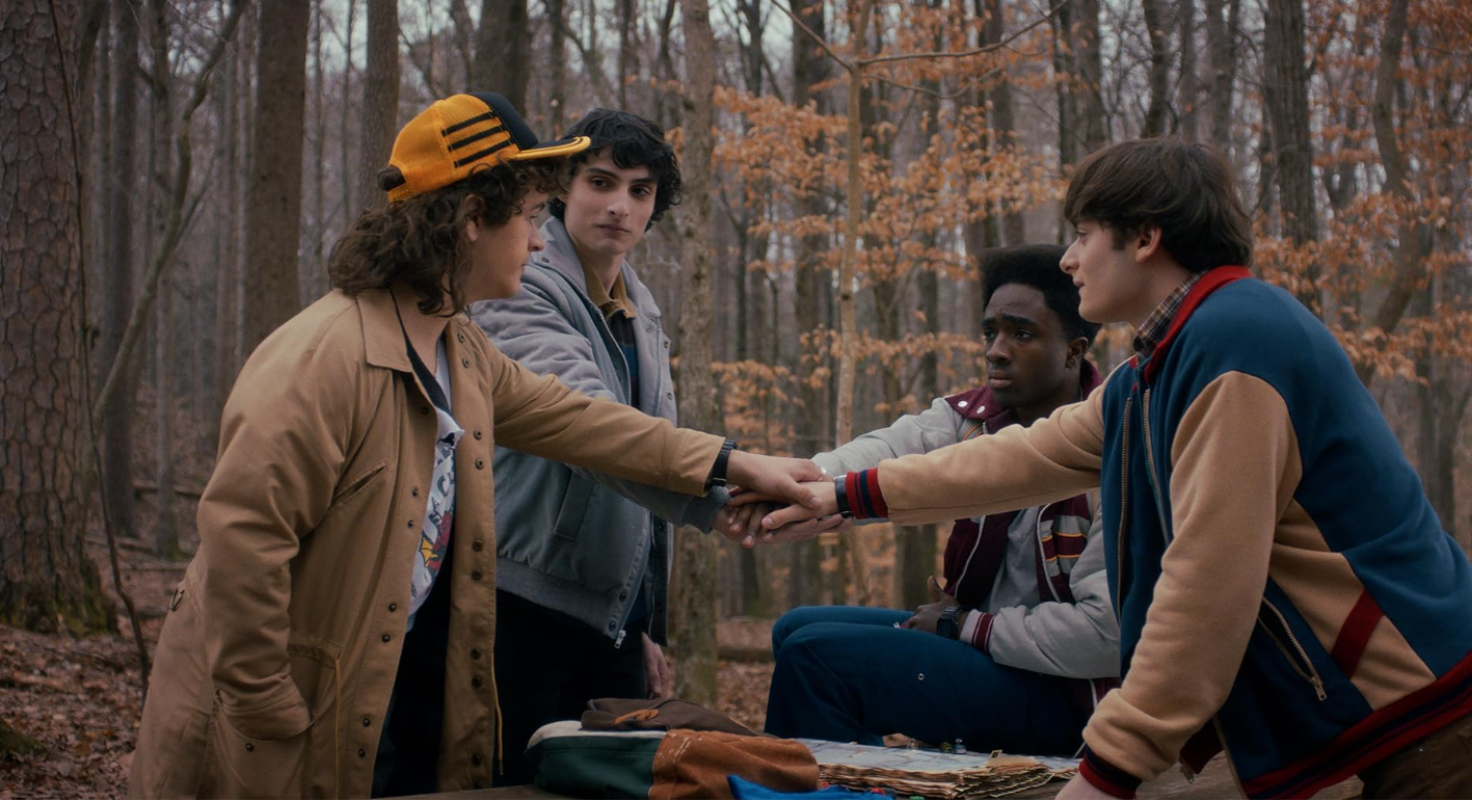
Perhaps no show exemplifies the modern TV phenomenon quite like Netflix’s juggernaut, Stranger Things. As we approach the highly anticipated Season 5, the obsession has reached a fever pitch. It’s the grand finale of a story that has defined a generation of streaming.
Why Season 5 Matters
The Duffer Brothers have promised that Season 5 will be a return to the roots of Season 1, but on a massive scale. The stakes are apocalyptic. The Upside Down is bleeding into Hawkins, and the separation between normal life and supernatural terror has dissolved completely.
Fans are obsessed because they have grown up with these characters. Watching Eleven, Mike, and the gang navigate adolescence alongside interdimensional monsters creates a unique bond between viewer and character. The final season promises to answer lingering questions about the nature of the Upside Down and the fate of beloved characters.
- Nostalgia Factor: The 80s setting continues to charm viewers with its music and fashion.
- Character Growth: Seeing the cast evolve from children to young adults adds emotional weight.
- The Ultimate Showdown: The inevitable clash with Vecna provides massive narrative tension.
The Pitt: A New Breed of Medical Drama
While Stranger Things leans into fantasy, The Pitt grounds viewers in the gritty, high-stakes reality of a modern hospital. This year, audiences have flocked to this drama because it reinvigorates a genre that many thought had grown stale.
Starring Noah Wyle, The Pitt takes a different approach than its predecessors. It moves away from the glossy, romanticized version of hospital life and instead offers a raw, unfiltered look at the healthcare system.
Realism and Intensity
The obsession here is driven by adrenaline and empathy. The show focuses on the frontline workers in a chaotic Pittsburgh emergency room. It captures the frantic pace of saving lives while battling administrative red tape and personal burnout.
Viewers are drawn to:
- Authentic Medical Scenarios: The cases feel ripped from real headlines.
- Systemic Critique: It doesn’t shy away from the flaws in the American healthcare system.
- Noah Wyle’s Return: Seeing a veteran of the genre return in a grittier role is a major draw for long-time TV fans.
This show proves that you don't need dragons or monsters to create compelling drama; sometimes, the fragility of human life is enough to keep millions watching.
Severance: The Unsettling Question of Work-Life Balance
Another title dominating conversations is Severance. In a landscape often filled with high-concept sci-fi or procedural dramas, this show has carved out a massive niche by being deeply, unnervingly clever.
The series explores a dystopian corporate world where employees can undergo a procedure called "severance," which surgically divides their memories between their work and personal lives. Their "innie" self knows nothing of the outside world, and their "outie" has no idea what they do for eight hours a day. It’s a chilling sci-fi premise that feels disturbingly close to reality.
Why It Resonates Now
The obsession with Severance taps directly into the modern discourse around work culture, corporate ennui, and the search for meaning. After years of debating remote work and work-life balance, the show’s central question—how much of yourself do you give to your job?—has never been more relevant. It poses a terrifying "what if" scenario that feels both bizarre and plausible.
Key elements fueling the obsession:
- Unique Visual Style: The stark, retro-futuristic aesthetic of Lumon Industries creates an eerie, claustrophobic atmosphere.
- Slow-Burn Mystery: The plot unfolds meticulously, revealing secrets about the company and the characters' divided lives.
- Philosophical Questions: It tackles themes of identity, free will, and the nature of consciousness in a way that sparks endless fan theories.