 (Image via
Have you ever felt that specific, smug satisfaction of discovering an artist before the rest of the world catches on? It is a unique kind of high. You find a musician with three thousand listeners or an actor in a weird indie film, and suddenly, you are part of a secret club. In the entertainment world of 2026, this feeling has become the new gold standard.
We are living in an era where being "underrated" is actually a superpower. The old way of doing things involved a performer trying to please everyone to get a radio hit or a blockbuster role. But today, the most interesting stuff is happening in the fringes. We are seeing a massive shift where obsession from a small group is worth way more than casual interest from the masses.
So what does this actually mean for how we consume art? It means the "monoculture" is dead. You do not have to care about what is topping the charts because there is likely a performer out there making something hyper-specific just for you. This is the rise of the cult following, where the connection between the artist and the fan is deeper, weirder, and much more resilient than mainstream fame.
The Anatomy of Obsession and Why We Crave the Niche
Why do we get so obsessed with these performers? It usually comes down to authenticity. In a world of AI-generated pop and focus-grouped movie scripts, we are starving for something that feels unfiltered. When you follow an underrated artist, you feel like you are seeing the real version of them, not the PR-sanitized one.
Mainstream success often acts as a filter that rounds off all the interesting edges. Niche artists do not have that problem. They can be as weird, dark, or experimental as they want because they aren't trying to sell a billion tickets. They are only trying to talk to their people.
This relationship is fueled by digital spaces like Discord and Reddit. It is the digital equivalent of hanging out at the stage door after a show. Fans are not just consuming content (they are decoding it). They are building communities around "inside jokes" and shared lore that outsiders simply do not get. That exclusivity is the "glue" that keeps a cult following together.
The New Icons of Niche Excellence
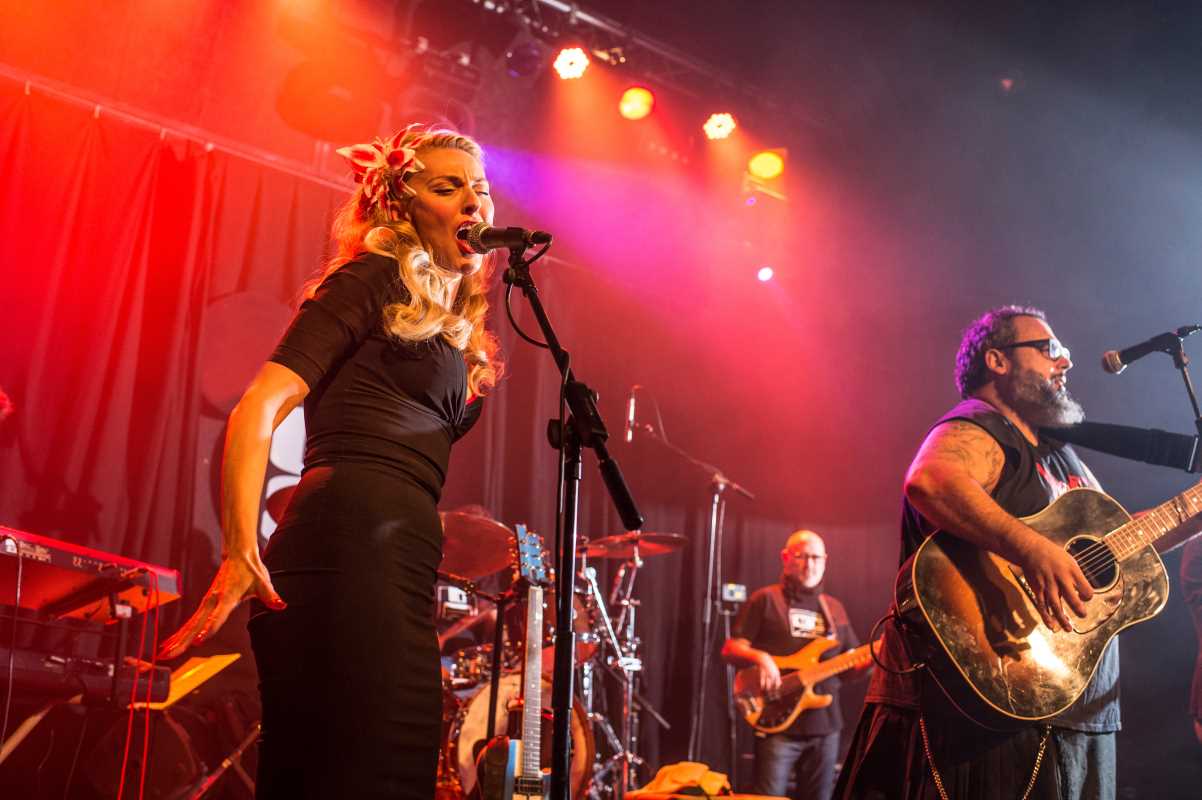
If you look at the music scene over the last year, Magdalena Bay is the perfect example of this. This synth-pop duo spent years as indie darlings before their recent work, specifically the album Imaginal Disk, turned them into a full-blown phenomenon. They sold out their entire spring 2025 tour because their fans are not just casual listeners (they are obsessed with the DIY visuals and the world-building the band does on Discord).
In the rap world, Xaviersobased is doing something similar with the "jerk" revival. He has the major label deal now, but he has kept that "outsider" energy that makes his fans feel like they are part of a movement rather than just a target demographic. Then you have a band like Softcult, who literally call their fanbase "The Cult." They have built a dedicated following by mixing 90s-style activism with dream-pop, creating a space where the music is just as important as the social message.
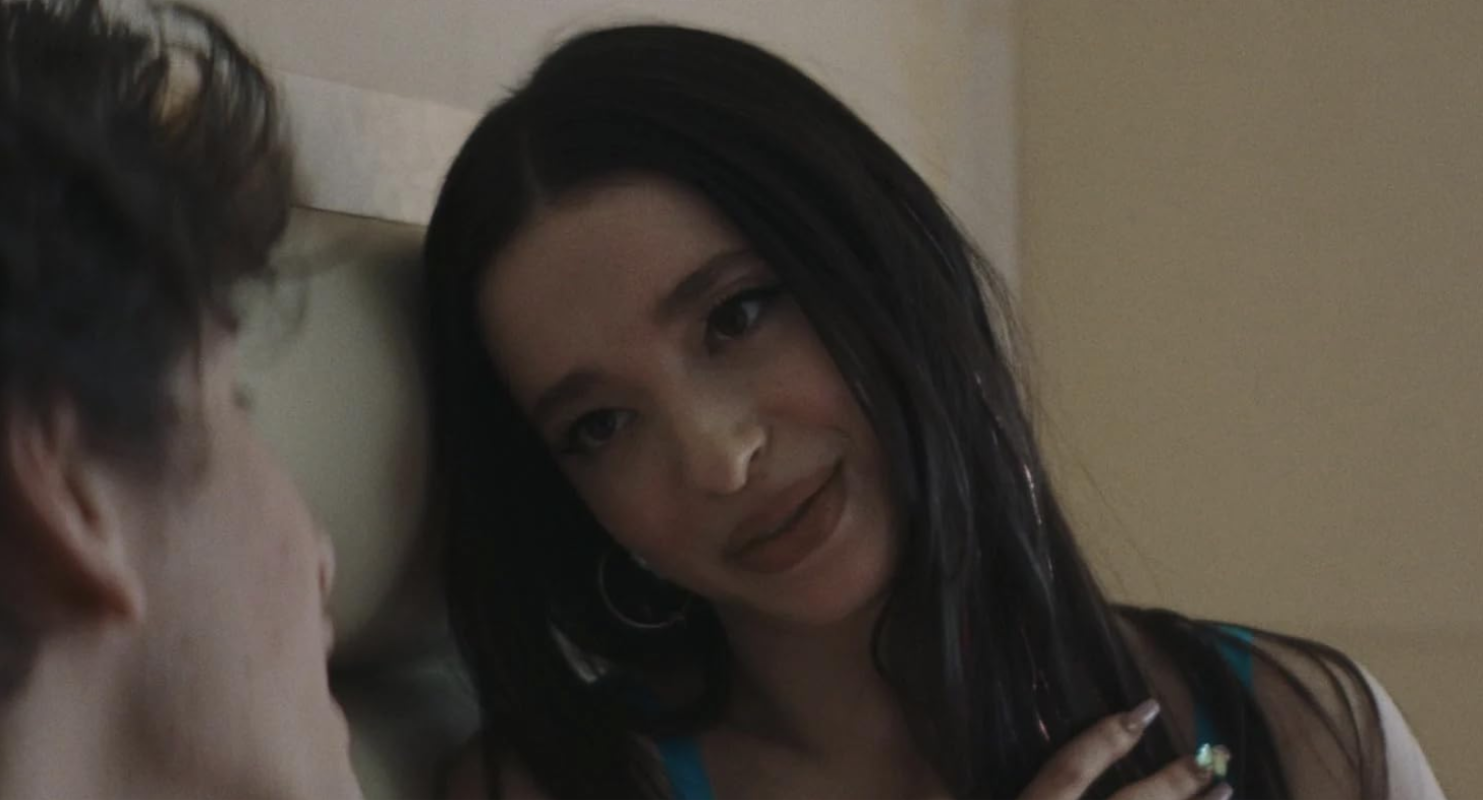
The film world is seeing a similar "cult wave" with actors like Sophie Thatcher and Jack Quaid. They have become the faces of a new kind of genre cinema that prioritizes atmosphere over massive budgets. Thatcher’s work in Heretic and Quaid’s role in the 2025 thriller Novocaine have sparked endless discourse on sites like Letterboxd. These are not necessarily the movies that break box office records, but they are the ones people are still talking about three years later.
Then there is Willa Fitzgerald, whose performance in Strange Darling earned her "scream queen" status almost overnight. Even though the film had a modest theatrical run, its massive audience scores prove that word-of-mouth is more powerful than a multi-million dollar marketing campaign. Even a legend like Nicolas Cage has found a new gear in this space. His role in Longlegs showed that even an established star can maintain "cult icon" status by leaning into the weird and the hidden.
Top Recommendations
If you are looking to get ahead of the curve and find your next obsession, these performers are currently leading the pack in their respective scenes.
- Geoffrey Asmus. A comedian who bypassed traditional networks to build a massive following on YouTube. His special Live in Sacramento is a masterclass in how to build a cult audience through raw, smart, and often controversial humor.³
- Jordan Jensen. Known for her appearances on podcasts like Are You Garbage?, she has moved from comedy clubs to headlining theaters by being one of the most relatable and unfiltered voices in stand-up today.
- Dan Soder. Long considered a "comedian's comedian," his recent self-released specials have proven that you do not need a network to reach millions of people if your "cult" is loyal enough.
The Economic Ripple Effect of the Superfan
This isn't just a feel-good story about artists finding their voice. It is a massive economic shift. A cult following translates to tangible support in a way that mainstream fame often doesn't. You might have ten million "fans" who listen to your song on a playlist, but will they buy a $50 t-shirt? Probably not.
But an underrated performer with 100,000 "superfans" can sell out a tour in minutes. These fans spend significantly more on merchandise and physical media because they want to "invest" in the artist's survival. In 2026, the goal for many performers is no longer to be the biggest in the world. The goal is to be sustainable.
There is also the "gatekeeper" effect. Fans of underrated performers act as a volunteer marketing team. They are the ones posting clips on TikTok, writing long essays on Reddit, and dragging their friends to shows. They feel a sense of ownership over the artist's success. When the artist wins, the "cult" wins.
Why Appreciating the Underrated Matters
At the end of the day, the symbiotic relationship between a niche artist and a devoted fan is what keeps the entertainment industry from becoming a boring, repetitive loop. These performers are the ones taking the risks that eventually trickle down into the mainstream. They are the R&D department of culture.
Success metrics are changing. We used to look at Nielsen ratings and Billboard charts, but those feel increasingly irrelevant. Now, we look at engagement, community health, and longevity. A performer who can maintain a cult following for twenty years has achieved something much harder than a "one-hit wonder" who disappears after six months.
So, the next time you hear a name you don't recognize or see a movie with a weird title, give it a chance. Explore beyond the front page of your streaming app. You might just find the next "cult classic" before anyone else does. After all, the best art is usually found just outside the spotlight.