 (Image via
The 97th Academy Awards have concluded, the red carpet has been rolled up, and the golden statues have found their new homes. As the confetti settles, the conversation inevitably shifts from celebration to indignation. Every year brings its fair share of surprises, but the 2025 ceremony felt particularly brutal for some of the year’s most ambitious and artistically daring films. While we applaud the winners, it is impossible to ignore the gaping holes in the list of accolades. From gothic horror masterpieces to gritty musical biopics, several films that defined the cinematic landscape of the past year were left out in the cold. Here is a defense of the films that deserved better, highlighting the most egregious oversights that have left film fans shaking their heads in disbelief.
The Gothic Masterpiece Ignored: 'Nosferatu'
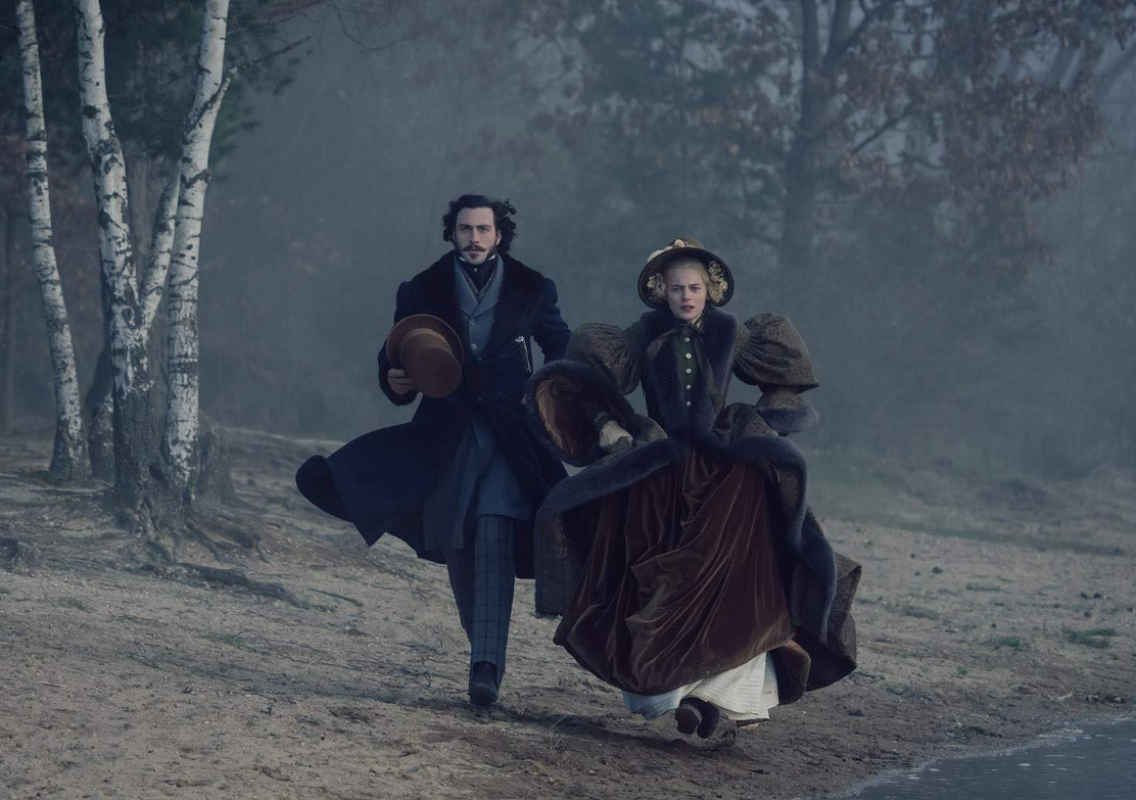
Critics widely hailed Robert Eggers’ reimagining of the classic 1922 vampire film Nosferatu as a visual and atmospheric triumph. It wasn't just a horror movie; it was a piece of high art that dripped with dread and beauty. Yet, when the envelopes were opened, this gothic nightmare was nowhere to be found among the winners. The Academy has historically been hesitant to reward pure horror, but the complete shutout of a film with such technical proficiency feels like a significant step backward.
The film’s exclusion from the winner's circle is baffling, given the sheer craftsmanship on display. It wasn't just about scares; it was about the art of filmmaking itself.
- Cinematography Oversight: The use of light and shadow in Nosferatu was nothing short of revolutionary. Jarin Blaschke’s cinematography evoked the German Expressionist roots of the original while creating something entirely modern and terrifying. To see this work go unrewarded—and largely unrecognized—is a disservice to the visual language of cinema.
- Production Design: The film transported audiences to a 19th-century Europe that felt lived-in, grimy, and haunted. Every set piece, from the castle interiors to the mist-covered landscapes, was meticulously crafted. The lack of an award for Production Design overlooks the creative team's incredible world-building.
- Best Makeup and Hairstyling: Transforming Bill Skarsgård into Count Orlok was a feat of prosthetic magic that rivaled any creature feature in history. The makeup was terrifyingly realistic, yet it failed to secure the gold, leaving genre fans questioning what more horror films need to do to earn respect.
The Dylan Biopic That Faded Out: 'A Complete Unknown'
Biopics are usually catnip for Academy voters. When you combine a legendary subject like Bob Dylan with a transformational performance by Timothée Chalamet and the direction of James Mangold, you have a recipe for Oscar gold. A Complete Unknown seemed poised to sweep the major categories. It had the pedigree, the performance, and the cultural relevance. Yet, in a shocking turn of events, the film went home empty-handed, winning absolutely nothing.
This snub is particularly stinging because the film did exactly what the Academy usually loves: it deconstructed a myth.
- Timothée Chalamet’s Transformation: Chalamet didn't just play Bob Dylan; he embodied him. He mastered the voice, the mannerisms, and the enigmatic presence of the folk icon during his electric transition. Ignoring this lead performance feels like a rejection of one of the year’s most dedicated acting feats.
- Sound Mixing and Editing: A film about music lives or dies by its sound. The way A Complete Unknown recreated the acoustics of 1960s folk clubs and the chaotic energy of the Newport Folk Festival was a technical marvel. The sound design was immersive, placing the audience right in the middle of the cultural revolution, yet it received no accolades.
- Best Adapted Screenplay: The challenge of adapting the life of such an elusive figure is immense. The script managed to weave together fact and folklore into a cohesive narrative, but the writing branch chose to look elsewhere, leaving this complex character study unrewarded.
'The Substance' Sidelined: Only One Win?
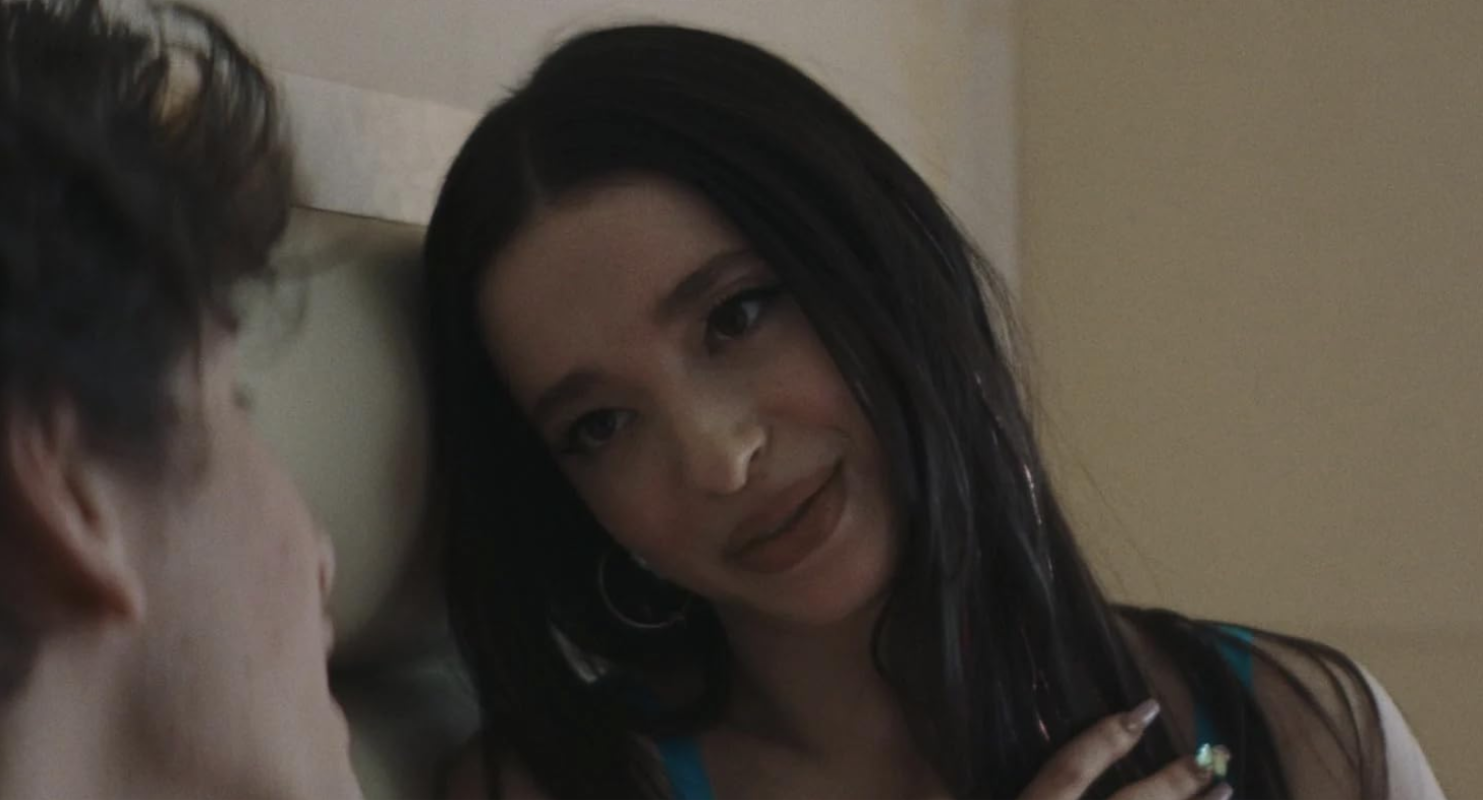
If Nosferatu and A Complete Unknown were the victims of a total shutout, The Substance was the victim of a polite nod that felt more like a dismissal. Coralie Fargeat’s body horror satire was the most talked-about film of the year, sparking debates, memes, and critical essays. It was bold, provocative, and unapologetically gross. While it did manage to scrape together one single award, the consensus is that it deserved so much more.
Winning just one statue feels like a token gesture for a film that pushed boundaries so aggressively. It suggests the Academy was willing to acknowledge its existence but terrified to fully embrace its message.
- Demi Moore’s Career-Best Performance: Demi Moore delivered a raw, fearless performance that required immense vulnerability—both emotional and physical. She bared her soul (and body) to critique ageism in Hollywood. For her to not walk away with Best Actress is a snub that will be discussed for years. It was the kind of daring role that rarely comes along, and it was met with silence from the voting body.
- Margaret Qualley’s Supporting Role: As the "younger, better" version of the protagonist, Margaret Qualley was electric. Her physical performance was perfectly calibrated to be both alluring and monstrous. The lack of a Best Supporting Actress win for her underlines the Academy's struggle to appreciate performances in genre films that lean into camp and horror.
- Original Screenplay: The script for The Substance was a razor-sharp satire of beauty standards and the entertainment industry. It was original, risky, and unlike anything else in theaters. By limiting its awards, the Academy missed a chance to champion truly unique storytelling over safer, more traditional narratives.
Looking Forward: Will History Correct the Record?
The Oscars are not the final word on cinematic quality. History is full of films that won nothing but went on to become classics (think The Shawshank Redemption or Do the Right Thing). Nosferatu will likely become a cult classic, revered by horror aficionados for decades. The Substance has already cemented its place in pop culture as a feminist horror touchstone. And A Complete Unknown will remain a testament to Chalamet’s range, regardless of its lack of hardware.
However, in the moment, these snubs sting. They represent missed opportunities to elevate diverse genres and daring storytelling. As we look toward next year, we can only hope the Academy broadens its horizons. Until then, we will continue to champion these films, rewatch them, and remind anyone who will listen that sometimes, the best movies of the year don't have a gold statue to prove it.