 (Image via
The 2025 Emmy Awards will be remembered not just for the trophies handed out but for the sheer caliber of acting talent on display. In a year defined by the return of heavyweight dramas and the emergence of daring new limited series, the competition was fiercer than ever. While showrunners and directors build the worlds we inhabit for hours on end, it is the actors who breathe life into them, turning scripted lines into moments of devastating heartbreak or uproarious laughter. This year’s ceremony highlighted a fascinating shift in the television landscape: a perfect equilibrium between seasoned veterans reinventing themselves and fresh-faced newcomers delivering performances well beyond their years. From the high-stakes tension of corporate thrillers to the tender vulnerability of coming-of-age stories, the acting this year didn't simply entertain us, but it challenged us.
Owen Cooper: The Heart of Adolescence
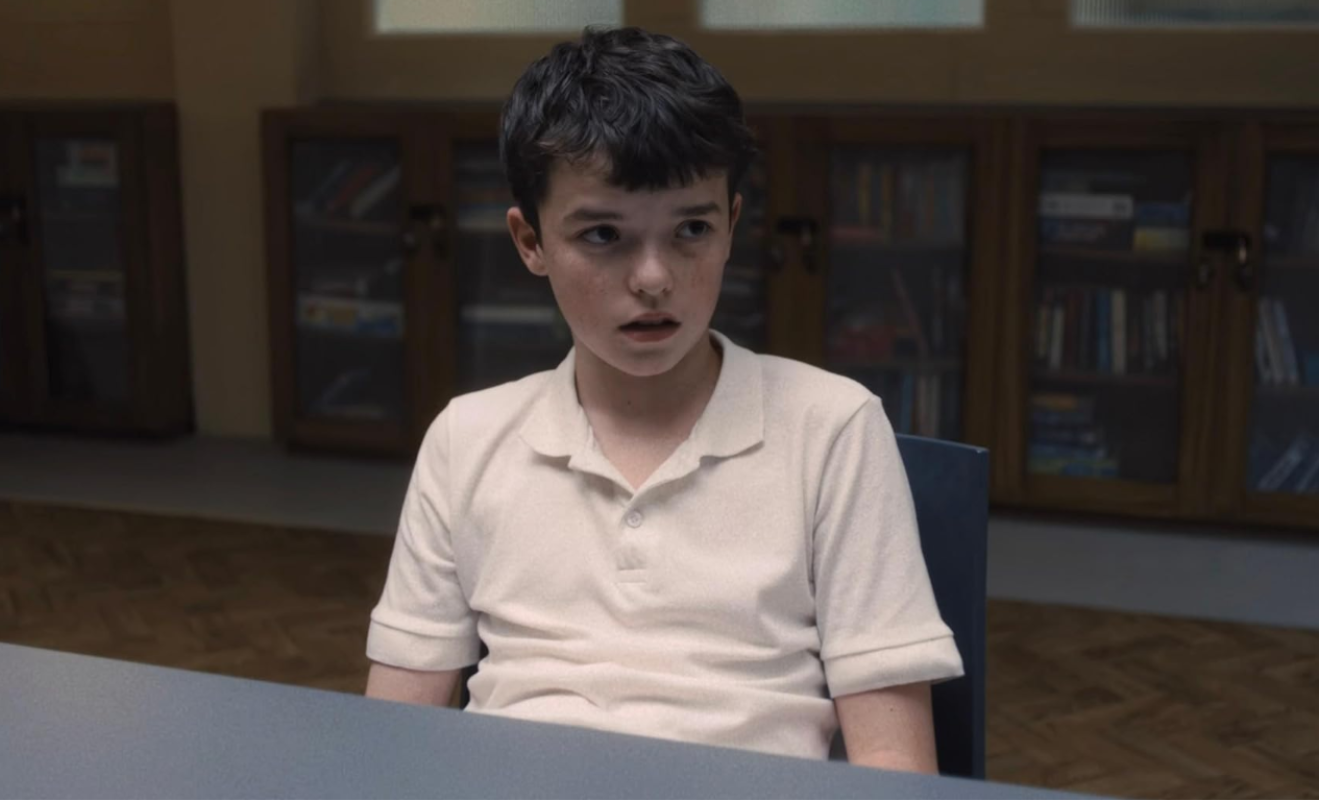
In a crowded field of limited series, Netflix’s Adolescence managed to cut through the noise, largely thanks to the revelatory performance of its young lead, Owen Cooper. He portrays a 13-year-old accused of murdering a schoolmate, and the show follows him and his family as they face these charges. While many young actors rely on explosive emotion to convey angst, Cooper’s power lay in his restraint.
His portrayal was a stark reminder that the most profound teenage emotions often happen in silence, and how influential children can be to the media and society. He captured the volatile mix of rage and fragility.
- Mastery of Micro-Expressions: Cooper’s ability to convey a novel’s worth of internal monologue with a simple shift in his gaze or a tightening of his jaw was the anchor of the show’s emotional arc.
- Chemistry with Veterans: Sharing the screen with A-list actors playing his parents, Cooper held his own and often commanded the scene, shifting the power dynamic with a quiet, simmering intensity.
Seth Rogen: The Chaotic Genius of The Studio
Seth Rogen has long been a comedic force, but in The Studio, he found a vehicle that allowed him to weaponize his persona in a darker, more frantic direction. Playing a beleaguered studio executive trying to keep a sinking movie production afloat, Rogen moved away from the lovable stoner archetype to embody a man on the verge of a nervous breakdown. The performance was hilarious, yes, but it was underlined by a palpable, sweaty desperation that added a layer of tragedy to the farce.
Rogen’s performance stood out because it captured the specific absurdity of modern Hollywood. He played his character not as a villain, but as a man trying to maintain dignity in an industry designed to strip it away. His comedic timing was sharper than ever, but it was the moments of quiet defeat that earned him the Emmy buzz.
- Physical Comedy: Rogen utilized a frantic, nervous energy that made every phone call feel like a bomb disposal operation. His physical commitment to the character’s increasing exhaustion was both funny and stressful to watch.
- Balancing Tone: The show walks a tightrope between satire and workplace drama, and Rogen was the stabilizing force. He could pivot from a screaming match with a director to a tender moment with an assistant without giving the audience whiplash.
- A New Career Best: This role allowed Rogen to showcase his dramatic chops without abandoning his comedic roots, creating a complex anti-hero that viewers rooted for despite his questionable decisions.
Tramell Tillman: The Menacing Charisma of Severance
When Severance first premiered, Tramell Tillman’s Seth Milchick was an enigma—a terrifyingly polite middle manager with a smile that didn't quite reach his eyes. In the highly anticipated 2025 season, Tillman elevated Milchick from a henchman to one of the most compelling villains on television. His performance is a study in controlled chaos, a terrifying blend of corporate pleasantries and physical intimidation.
What Tillman achieved this year was the humanization of a monster without making him any less scary. We saw cracks in the veneer, moments where the stress of maintaining the "severed" floor began to weigh on him. Yet, he remained a captivating presence, using his physicality—specifically his movement and dance—to dominate the space.
- The Weaponization of joy: Tillman’s signature move—using forced fun and dance parties as a method of control—reached new, terrifying heights this season. He made a smile look like a threat.
- Commanding Presence: Even in scenes where he had no dialogue, Tillman’s presence was felt. He moves with a dancer's precision, making Milchick feel like a coiled spring ready to snap at any moment.
- The "Break Room" Evolution: His scenes in the break room shifted from psychological torture to a strange, twisted form of therapy, showcasing Tillman’s ability to manipulate the emotional temperature of a scene instantly.
Bella Ramsey: The Raw Fury of The Last of Us
Returning as Ellie in the second season of The Last of Us, Bella Ramsey faced the impossible task of adapting one of the most controversial and emotionally demanding arcs in video game history. They obliterated expectations. This season required Ellie to descend into a dark pit of vengeance and trauma, and Ramsey went to places few actors dare to go.
The innocence of the first season was gone, replaced by a hardened, ruthless edge. Ramsey’s performance was physical and guttural. You could see the toll of violence on their face, the way grief hardened Ellie’s features. It was a harrowing transformation that anchored the show's massive, sprawling narrative.
- Emotional range: Ramsey navigated Ellie's complex relationship with Joel, her budding romance with Dina, and her consuming hatred for her enemies with equal conviction.
- Physicality of Trauma: The performance is emotional and deeply physical. Ramsey threw themselves into the action sequences with a feral intensity that sold the stakes of survival.
- The Quiet Moments: Amidst the violence, Ramsey found pockets of vulnerability. A scene involving a guitar in an abandoned music shop stood out as a heartbreaking reminder of the childhood Ellie was forced to leave behind.