 (Image via
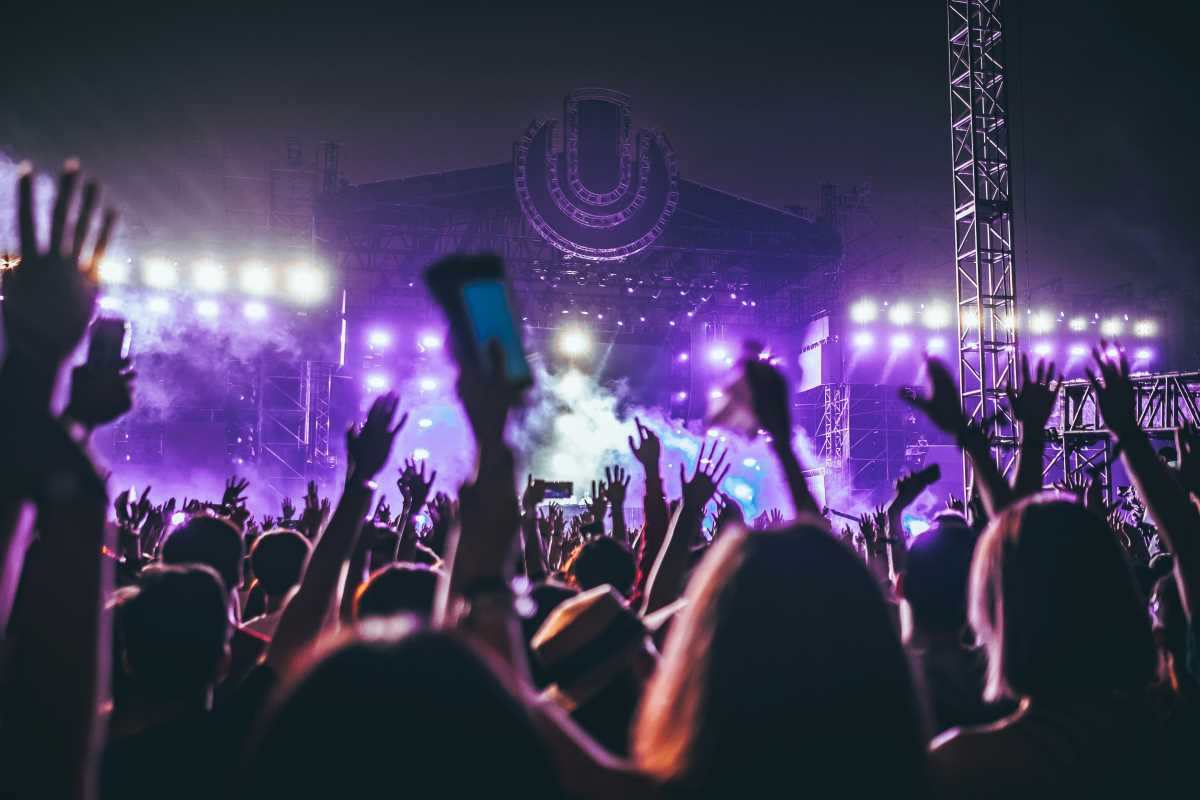
In the digital age, the currency of social influence is experience. It's no longer about what you own, but where you've been and, crucially, who saw you there. Enter the pop-up event: a fleeting, ephemeral experience that vanishes as quickly as it appears. These temporary installations have evolved from simple retail experiments into cultural phenomena that dominate our feeds. Whether it’s a luxury brand taking over a local bakery or an immersive art installation that exists for a single weekend, pop-up events offer a unique blend of exclusivity and urgency. They are the physical manifestation of FOMO (Fear Of Missing Out), promising those who attend a moment of connection and a visually stunning backdrop that screams "you had to be there."
The Psychology of the Temporary
Why do we line up for hours to buy a burger we could get elsewhere, or fight for tickets to an art show that lasts three days? The answer lies in the psychological power of scarcity. Pop-up events are built on the premise that they are finite. This limited lifespan creates an immediate sense of urgency. Unlike a brick-and-mortar store or a permanent museum exhibit, a pop-up demands action now.
This scarcity creates value. When an experience is temporary, it feels more special, more curated, and more personal. It transforms a standard transaction into an event. Furthermore, the "blink-and-you'll-miss-it" nature of pop-ups creates a powerful social currency. Being one of the few to experience something rare signals to your network that you are in the know, culturally connected, and ahead of the curve.
- Urgency Drivers: The knowledge that an event ends soon forces consumers to prioritize it over other activities, driving massive foot traffic in short bursts.
- Insider Status: Securing a spot at an exclusive pop-up validates a person's status as a tastemaker within their social circle.
- Novelty Seeking: Humans are hardwired to seek out new experiences. Pop-ups provide a constant stream of novelty in a landscape that can often feel repetitive.
The Instagram Factor: Design for the Feed
It is impossible to discuss the rise of the pop-up without acknowledging the role of social media. Today, the success of a pop-up is often measured by its "Instagrammability." Organizers and brands design these spaces with the camera lens in mind. Lighting is perfected, colors are saturated, and every corner is curated to serve as a potential backdrop for a selfie or a TikTok video.
This symbiotic relationship benefits both the attendee and the organizer. The attendee gets high-quality content for their personal brand, while the organizer gets free, organic marketing that reaches millions. A visually striking pop-up can go viral overnight, creating a feedback loop where online hype drives offline attendance, which in turn generates more online hype.
- Immersive Aesthetics: The best pop-ups transport visitors to a different world, using set design, sound, and scent to create a multi-sensory environment that translates beautifully to video.
- Shareable Moments: interactive elements—like swing sets in a makeup store or edible balloons in a dessert pop-up—are designed specifically to be filmed and shared.
- User-Generated Content: This organic sharing is more valuable than traditional advertising because it comes with the trusted endorsement of friends and influencers.
Fashion: The Drop Culture Phenomenon
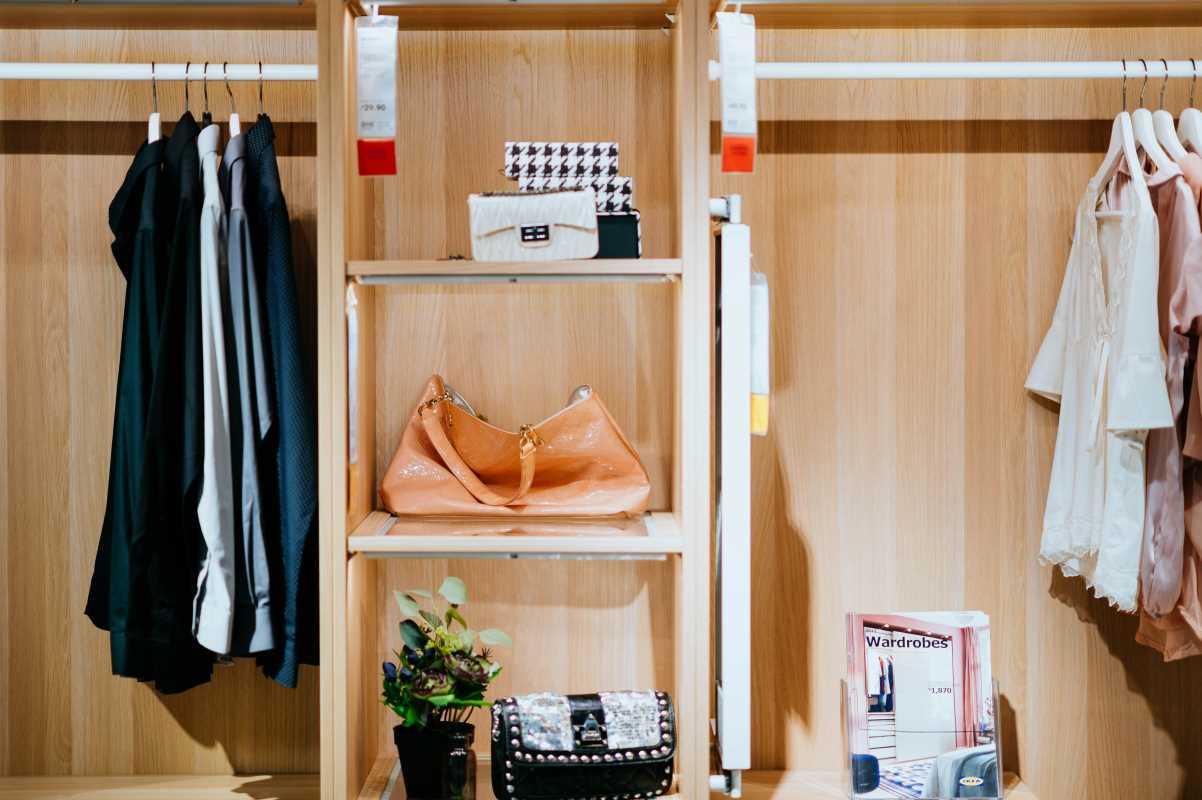
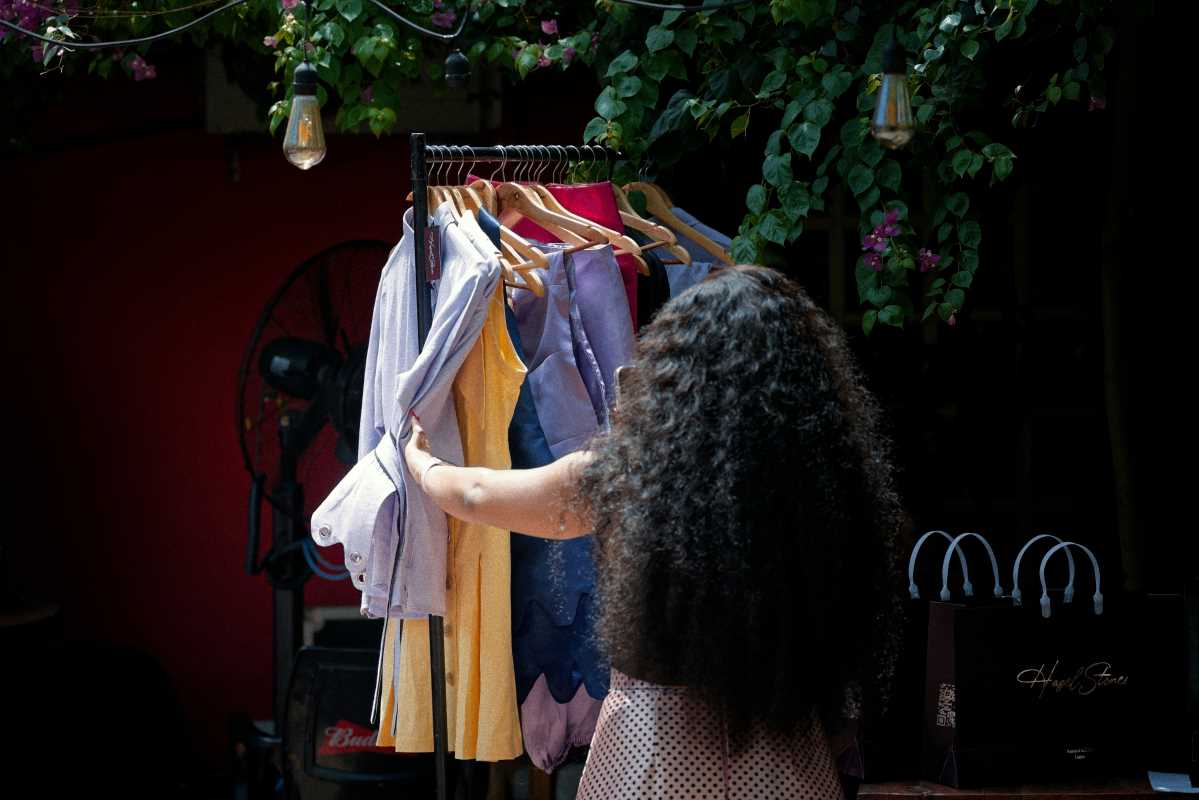
The fashion industry has mastered the art of the pop-up, using "drop culture" to turn shopping into a high-stakes event. Streetwear brands like Supreme and luxury houses like Louis Vuitton use pop-up locations to release limited-edition collections. These events often function less like stores and more like fan conventions or art galleries.
We are seeing a shift towards "experience-first" retail. A luxury brand might open a pop-up café where the coffee cups bear their logo, or a sneaker brand might create a temporary skate park. The goal is to immerse the consumer in the lifestyle of the brand, making the purchase of a product feel like a souvenir from a memorable experience.
- The "Merch" Mentality: Limited-edition items sold only at specific locations create a frenzy of demand and often resell for multiples of their original price.
- Collaborative Spaces: Brands frequently partner with unexpected collaborators (e.g., a high-fashion label collaborating with a local bodega) to create jarring, delightful contrasts that capture attention.
- Accessible Luxury: For younger consumers who might not be able to afford a handbag, a branded pastry or a small accessory at a pop-up offers an accessible entry point into the world of luxury.
Culinary Pop-Ups: A Feast for the Senses
Food has always been a communal experience, but culinary pop-ups have turned dining into performance art. These events range from underground supper clubs hosted by Michelin-starred chefs in warehouses to thematic dining experiences based on popular movies or TV shows.
The appeal here is the opportunity to taste something that may never exist again. It allows chefs to experiment with risky concepts without the overhead of a full restaurant, and it gives diners a story to tell. We are seeing a rise in "takeovers," where a famous chef from one city takes over the kitchen of a restaurant in another for a weekend, bringing global flavors to a local audience.
- Menu Innovation: Pop-ups allow chefs to test wild, creative dishes that wouldn't fit on a standard menu, attracting adventurous foodies.
- Thematic Dining: Events that recreate the food from a fictional world (like a Harry Potter feast or a Game of Thrones banquet) tap into deep-seated fandoms.
- Exclusive Collaborations: Two famous chefs cooking together for one night only creates a "supergroup" effect that food lovers find irresistible.
Art and Immersion: Stepping Inside the Canvas
The art world has also embraced the pop-up model, moving away from white-walled galleries toward immersive installations. The massive success of exhibits like the Museum of Ice Cream or the Van Gogh immersive experience proved that people want to interact with art.
These pop-ups blur the line between art exhibition and playground. They invite visitors to touch, climb, and play. While purists may debate the artistic merit, the cultural impact is undeniable. They democratize art, making it accessible and fun for a generation that values participation over observation.
- Interactive Environments: These spaces are designed to be explored. Visitors become part of the art, influencing the environment through movement or touch.
- Digital Integration: Projection mapping and VR technologies are frequently used to create surreal, dreamlike landscapes that are impossible to replicate in a traditional setting.
- Emotional Connection: By engaging multiple senses, immersive art pop-ups create a stronger emotional memory than a passive viewing experience.