 (Image via
Your social media feed has become a global marketplace of beauty secrets. One day, you are watching a tutorial on Korean "glass skin," and the next, you are mesmerized by the art of Indian hair oiling. We are in the middle of a fascinating cultural exchange, where ancient wellness practices are being shared, celebrated, and adapted by a new generation online. These are not fleeting trends, but time-tested rituals passed down through generations, rooted in natural ingredients and holistic well-being. This global beauty boom moves beyond product-centric routines, inviting us to explore the rich history and wisdom behind practices that have beautified cultures for centuries. Get ready to broaden your beauty horizons as we explore the rituals taking over your screen.
Japan: The Power of Rice Water and Camellia Oil
Japanese beauty, often referred to as J-Beauty, is built on a philosophy of prevention rather than cure. It emphasizes gentle, multi-step routines that nourish and protect the skin for long-term health. While minimalism and advanced technology are key components, social media has become captivated by some of its most traditional, simple, and effective ingredients.
The practice of using rice water is one of the most prominent examples. For centuries, Japanese women have used the milky water left over from washing rice to cleanse their hair and face. This humble ingredient is packed with vitamins, minerals, and amino acids that offer a surprising number of benefits.
The Allure of Ancient Ingredients
- Rice Water (Komenuka): This starchy liquid is known to brighten the complexion, tighten pores, and soothe irritated skin. When used as a hair rinse, it strengthens strands, adds shine, and can promote growth. Its viral status is due to its accessibility—it’s something many people have right in their pantry.
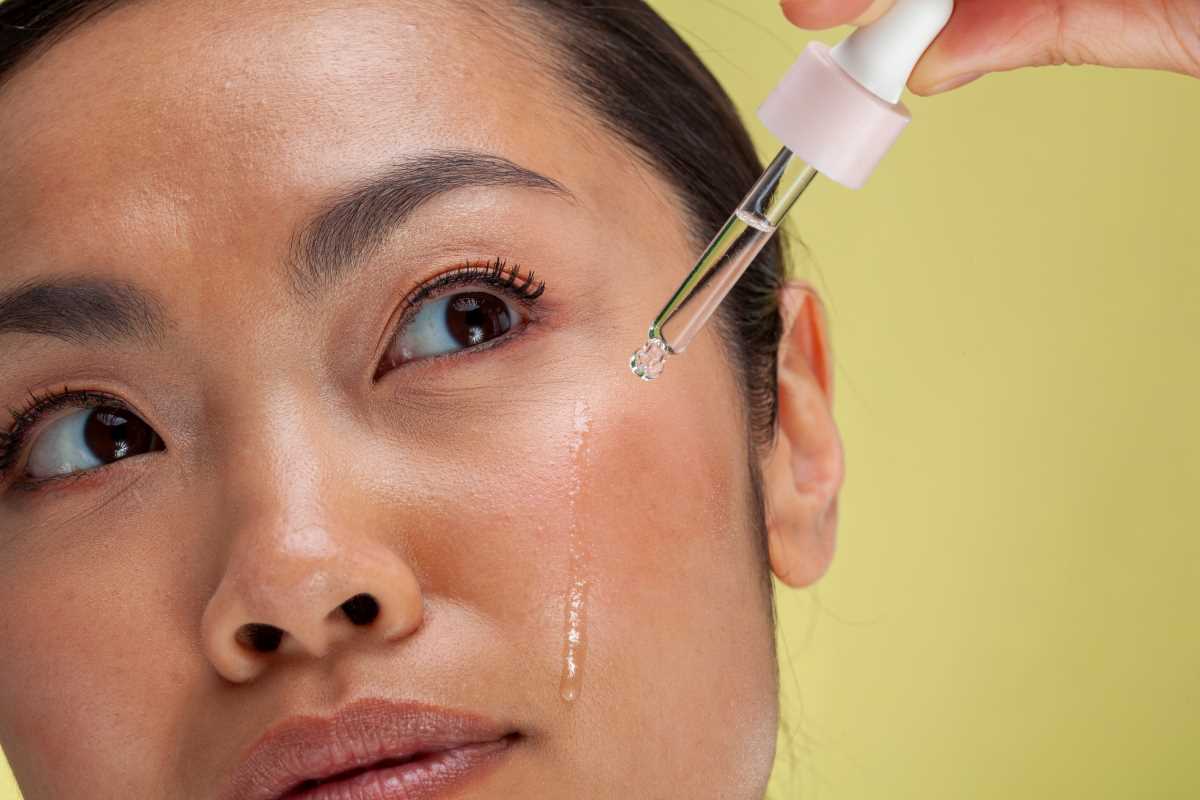
- Camellia Oil (Tsubaki): Harvested from the seeds of the Camellia japonica flower, this lightweight oil is a cornerstone of Japanese skincare. It is rich in oleic acid and antioxidants, making it a phenomenal moisturizer for skin, hair, and nails without leaving a greasy residue.
India: The Art of Hair Oiling and Turmeric Masks
Indian beauty rituals are deeply intertwined with Ayurveda, an ancient system of medicine that promotes a holistic balance between mind, body, and spirit. These practices often involve potent botanicals and spices that have been used for thousands of years. On platforms like TikTok and Instagram, two rituals have stood out for their incredible results and sensory appeal: hair oiling and the use of turmeric.
Hair oiling is more than a treatment, but a cherished ritual, often passed down from mother to daughter. It involves massaging a nutrient-rich oil into the scalp and hair, leaving it on for at least an hour before washing. This practice stimulates blood circulation in the scalp, strengthens the hair follicle, and deeply conditions the strands from root to tip.
The Golden Touch of Ayurvedic Beauty
- Hair Oiling: This ritual is credited with promoting thick, lustrous hair and preventing hair fall. Popular oils include coconut, amla, and brahmi, which are known for their conditioning and strengthening properties. The massage aspect also turns it into a relaxing, stress-relieving practice.
- Turmeric (Haldi): This vibrant yellow spice is a powerhouse ingredient in Indian skincare. It is a natural antiseptic and has powerful anti-inflammatory properties, making it excellent for treating acne and calming redness. DIY "haldi" masks, often mixed with yogurt or honey, have gone viral for their ability to impart an instant, natural glow.
Korea: Slugging and the "Glass Skin" Philosophy
Korean beauty, or K-Beauty, has had a massive global influence for years, popularizing everything from sheet masks to 10-step routines. The core philosophy is achieving "glass skin"—a complexion so clear, dewy, and luminous that it looks like a pane of glass. While this involves layers of hydration, one specific technique has recently dominated social media: slugging.
Slugging involves slathering a thick, occlusive ointment (like petroleum jelly) over your face as the final step of your nighttime skincare routine. This creates a physical barrier that locks in all the hydrating products you applied beforehand and prevents water loss from the skin overnight. While it may sound messy, users swear by the results, waking up to plump, intensely hydrated skin.
Beyond the 10-Step Routine
- Slugging: This technique is especially beneficial for those with dry or dehydrated skin, as it helps to repair a compromised skin barrier. It’s a simple, affordable, and highly effective way to achieve an extreme moisture boost.
- Double Cleansing: Another K-Beauty ritual that has become a global standard is the two-step cleansing process. It starts with an oil-based cleanser to melt away makeup and sunscreen, followed by a water-based cleanser to wash away any remaining impurities.
West Africa: The Magic of Shea Butter and African Black Soap
West African beauty traditions are rooted in the rich, natural resources of the land. For generations, communities have relied on powerful, locally sourced ingredients to nourish and protect their skin and hair in often harsh climates. Two of these staples, shea butter and African black soap, have gained a massive following online for their purity and effectiveness.
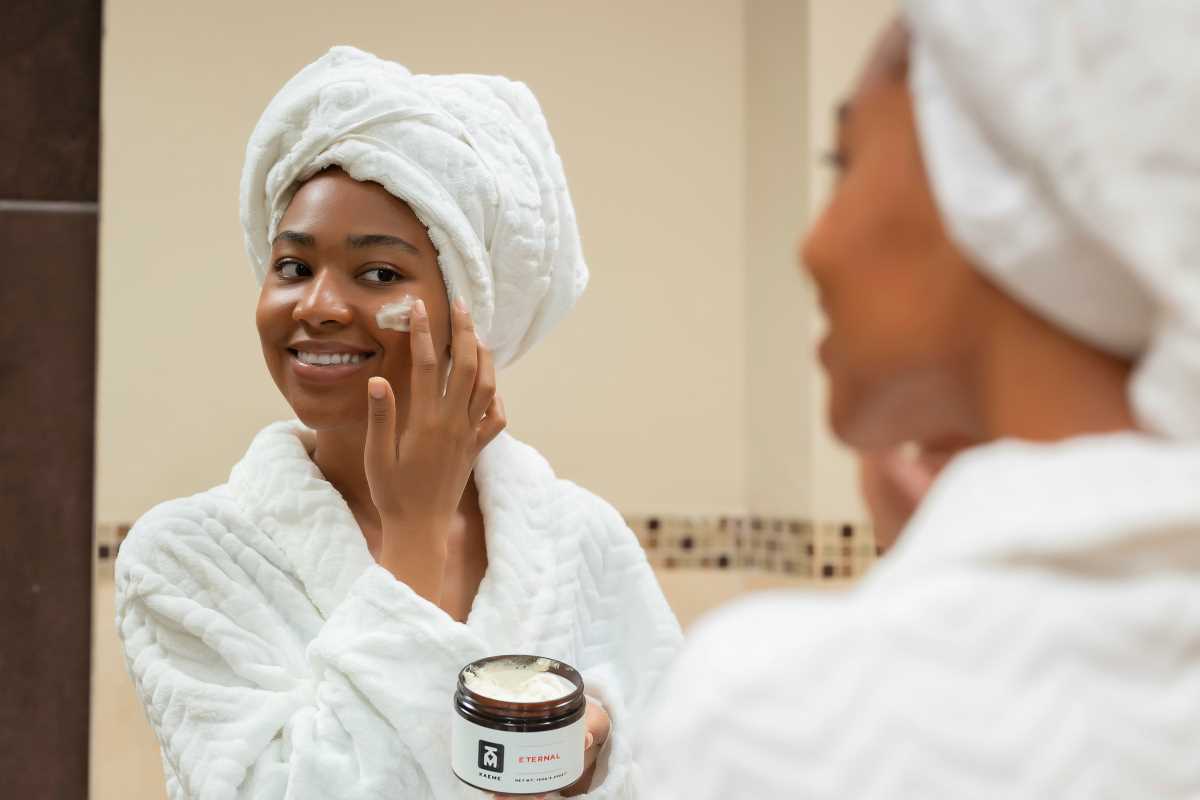
Shea butter is a fat extracted from the nuts of the shea tree. It is an incredibly rich emollient, packed with fatty acids and vitamins A and E. Its thick, creamy texture makes it an exceptional moisturizer for dry skin, eczema, and even stretch marks. Social media is filled with testimonials showcasing its healing and deeply hydrating properties.
Gifts from the Earth
- Shea Butter: Used for everything from a daily body moisturizer to a deep conditioning hair mask, raw, unrefined shea butter is celebrated for its versatility and intense nourishing power.
- African Black Soap: This traditional soap is made from the ash of locally harvested plants like plantain skins and cocoa pods. It is renowned for its ability to gently exfoliate and clarify the skin, making it a popular choice for managing acne and evening out skin tone without harsh chemicals.
Brazil: A Celebration of the Body
Brazilian beauty culture is famous for its focus on the body. It’s a culture that celebrates confidence and feeling good in your own skin, from head to toe. This "body-first" approach has inspired a global trend toward treating the skin on our bodies with the same care and attention as the skin on our faces.
The most famous export of this philosophy comes in the form of firming body creams, often infused with potent Amazonian ingredients. These products are not merely about moisturizing. They are about toning, tightening, and giving the skin a radiant glow.
The Brazilian Glow
- Guaraná: This Amazonian fruit contains a potent form of caffeine, which is a key ingredient in many Brazilian body creams. Caffeine helps to stimulate circulation and smooth the appearance of cellulite, contributing to a firmer look.
- Cupuaçu Butter: A deeply hydrating emollient from the Amazon, cupuaçu butter is praised for its ability to restore the skin's moisture barrier and improve elasticity.