 (Image via
The entertainment industry is in constant flux, and the audition room is no exception. What worked for actors five years ago may now feel outdated or irrelevant. As we move into 2025, the landscape of casting has evolved, driven by technological advancements, shifting cultural conversations, and a demand for deeper authenticity. Casting directors are no longer looking for a "type" or a polished monologue. They’re searching for collaborators who understand the nuances of modern storytelling. For actors, this means adapting to a hybrid world of self-tapes and in-person callbacks, while also cultivating a unique artistic identity that cuts through the noise. Understanding these shifts is about getting the part and building a sustainable career in a competitive market.
The Evolution of the Self-Tape
By 2025, the self-tape will have firmly established itself as the primary gateway for auditions. It is no longer a temporary measure born of necessity but the industry standard for the first round of casting. However, the expectations for these digital auditions have risen significantly.
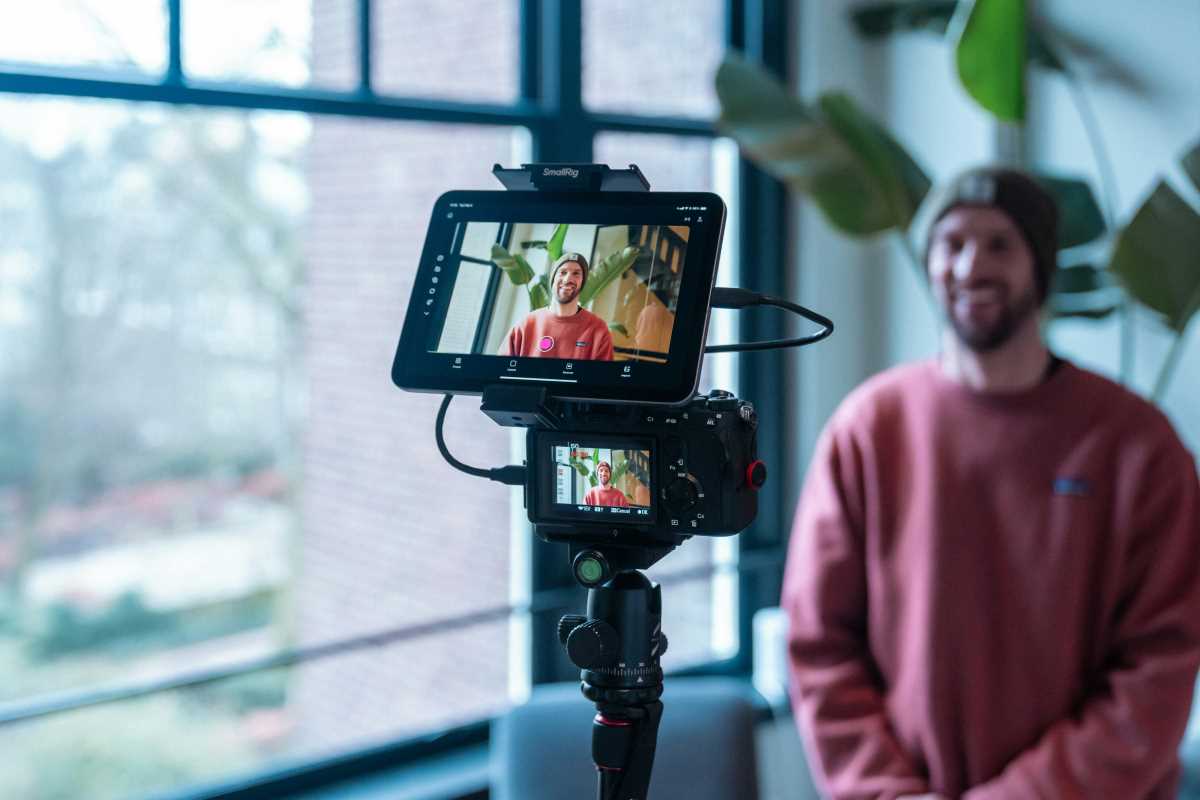
Casting directors are no longer forgiving of poor lighting or bad sound. They expect a level of technical proficiency that shows you take your profession seriously. This doesn't mean you need a studio-grade setup, but it does mean your technical execution should never distract from your performance.
- Clarity is king: Your lighting should be flat and even, eliminating shadows that obscure your face.
- Sound matters more than visuals: A crisp image with muffled audio is unwatchable. A lapel mic or a quiet room is essential.
- Framing focus: The standard has shifted to a tighter frame—usually mid-chest to above the head—to capture micro-expressions suited for screen acting.
Beyond the technical, the "one-take wonder" is a myth. Casting directors appreciate actors who can seamlessly edit their best takes together. They want to see your ability to interpret a scene in multiple ways, so providing contrasting takes (when requested) illustrates range and directability without them even being in the room.
Authenticity Over "Type"
The era of rigid "typing"—where actors were boxed into specific categories like "the girl next door" or "the tough guy"—is fading. In 2025, casting directors are prioritizing authenticity and lived experience. Scripts are becoming more specific, and creators are looking for actors who bring genuine truth to a role rather than a caricature.
This shift means you should lean into what makes you unique rather than trying to smooth out your edges to fit a generic mold. If you have a specific skill, a unique cultural background, or a distinct physical feature, highlight it.
Embracing "Flaws" as Features
Perfection is boring. Modern audiences crave characters that feel real, messy, and human. Consequently, casting directors are drawn to actors who are comfortable in their own skin.
- Emotional availability: The ability to access deep, raw emotion quickly is more valuable than a polished, "safe" performance.
- Idiosyncrasies: Small quirks or natural speech patterns that might have been trained out of actors in the past are now seen as assets that add texture to a character.
- Personal branding: Your headshots and resume should reflect who you actually are when you walk in the door (or turn on the camera), not a glamorized version of who you think they want.
The Hybrid Actor: Versatility Across Mediums
With the explosion of streaming services, web series, and video game performance capture, the lines between theater, film, and television have blurred. A casting director in 2025 is often looking for a "hybrid actor"—someone who can navigate different mediums with ease.
You might be auditioning for a Netflix drama on Tuesday, a voice-over for an animated series on Wednesday, and a motion-capture role for a video game on Friday. The core principles of acting remain the same, but the technical requirements vary.
Adaptability in Performance Scale
Understanding the "size" of your performance is crucial. A casting director needs to know you understand the medium you are auditioning for.
- Screen acting: Requires subtlety. The camera catches every blink and twitch. "Doing less" is often more effective.
- Voice acting: Requires vocal stamina and the ability to convey emotion solely through sound.
- Performance capture: Requires a high level of physical fitness and imagination, as you often act against a green screen without props.
Demonstrating this versatility on your resume or reel shows casting directors that you are a problem solver who can be plugged into various types of productions.
Social Media: A Tool, Not a Crutch
The conversation around social media followers and casting is nuanced. While a massive following can sometimes tip the scales for marketing purposes, in 2025, talent and professionalism still reign supreme for serious roles. Casting directors are wary of "influencer actors" who cannot deliver on set.
However, your digital footprint is your portfolio. Casting directors will Google you. They look for consistency between your online persona and your professional brand.
- Curated presence: Your profiles should look professional. clips of your work should be easy to find.
- Personality showcase: Use platforms to show your other creative interests—writing, comedy, music. This gives casting directors a fuller picture of who you are as an artist.
- Red flags: Avoid posting content that is unprofessional, overly negative about the industry, or offensive. Your social media is an extension of your job interview.
Preparedness and Professionalism
Despite all the technological and cultural shifts, the fundamentals of professionalism remain the gold standard. In 2025, time is tighter than ever. Budgets are scrutinized, and schedules are compressed. Casting directors need to know that if they advocate for you, you will deliver.
This goes beyond memorizing lines. It implies a deep respect for the process. When you book a slot, you show up on time (or log in early). When you send a tape, you follow the labeling instructions exactly.
Research is Non-Negotiable
Walking into a room (virtual or physical) without knowing the tone of the show or the style of the director is a major misstep.
- Know the showrunner: Research their previous work. Do they prefer rapid-fire dialogue like Aaron Sorkin or improvised naturalism?
- Understand the genre: A sitcom audition requires a different energy and pacing than a noir thriller.
- Make bold choices: The worst thing you can be is forgettable. Make a strong choice in your interpretation. Even if it is "wrong," it shows you have a point of view. A casting director can redirect a bold actor, but they can’t create energy where there is none.
The Importance of Soft Skills
Finally, casting directors are looking for people they want to work with. Sets are high-pressure environments, and a "difficult" actor can derail a production. Attributes like kindness, flexibility, and resilience are highly valued.
If a casting director sees that you take direction well without getting defensive, or that you treat the reader and the assistant with respect, your stock goes up. They are often casting the person as much as the talent. They want to know that when things go wrong on set—and they will—you will be a solution, not a problem.